September–October 2026. A fortnight of attendances across Argentina and Brazil shows where the bunker market in the region is heading, and why we apply exactly the same reporting standard in every port.
Where we were
Our last two weeks give a clear picture of the region’s bunker activity:
- Bunker Quantity Surveys at Zona Común almost every day. The pilot-exchange anchorage off La Plata is where most of Argentina’s bunker deliveries take place: barges from YPF, Raízen, Minerva and World Fuel Services supply vessels waiting to go up river or sailing out after loading at San Lorenzo, Rosario or Bahía Blanca.
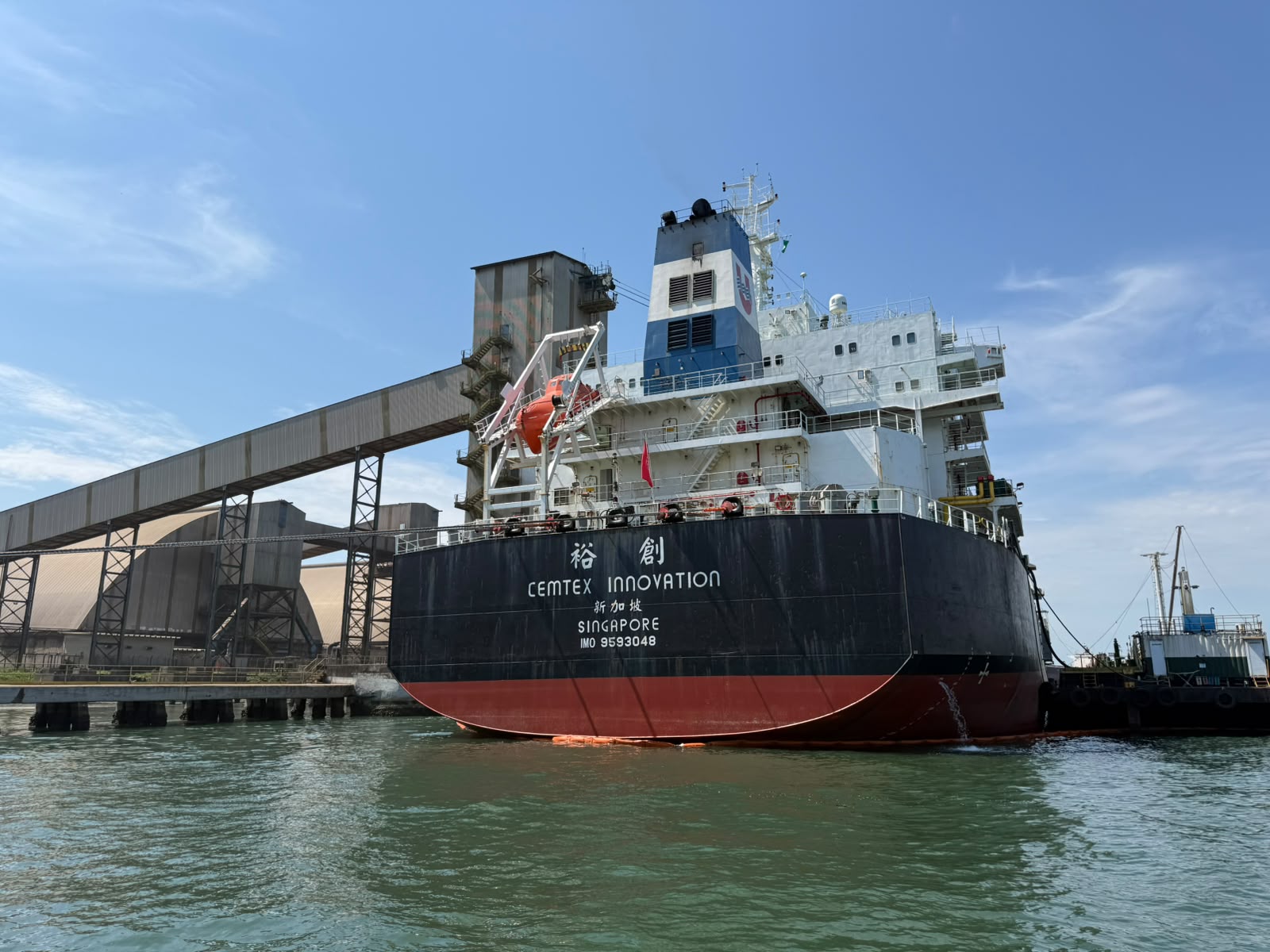
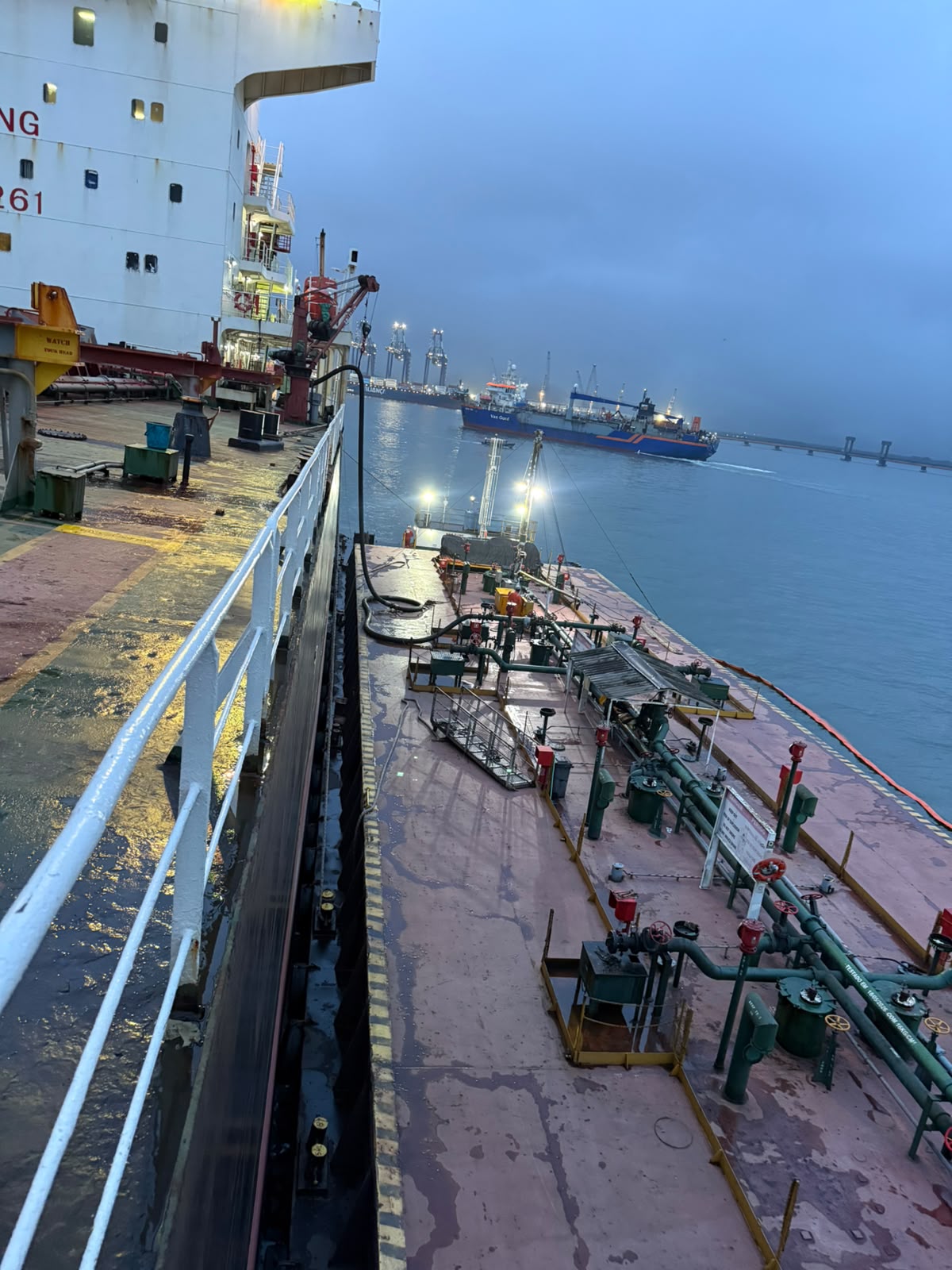
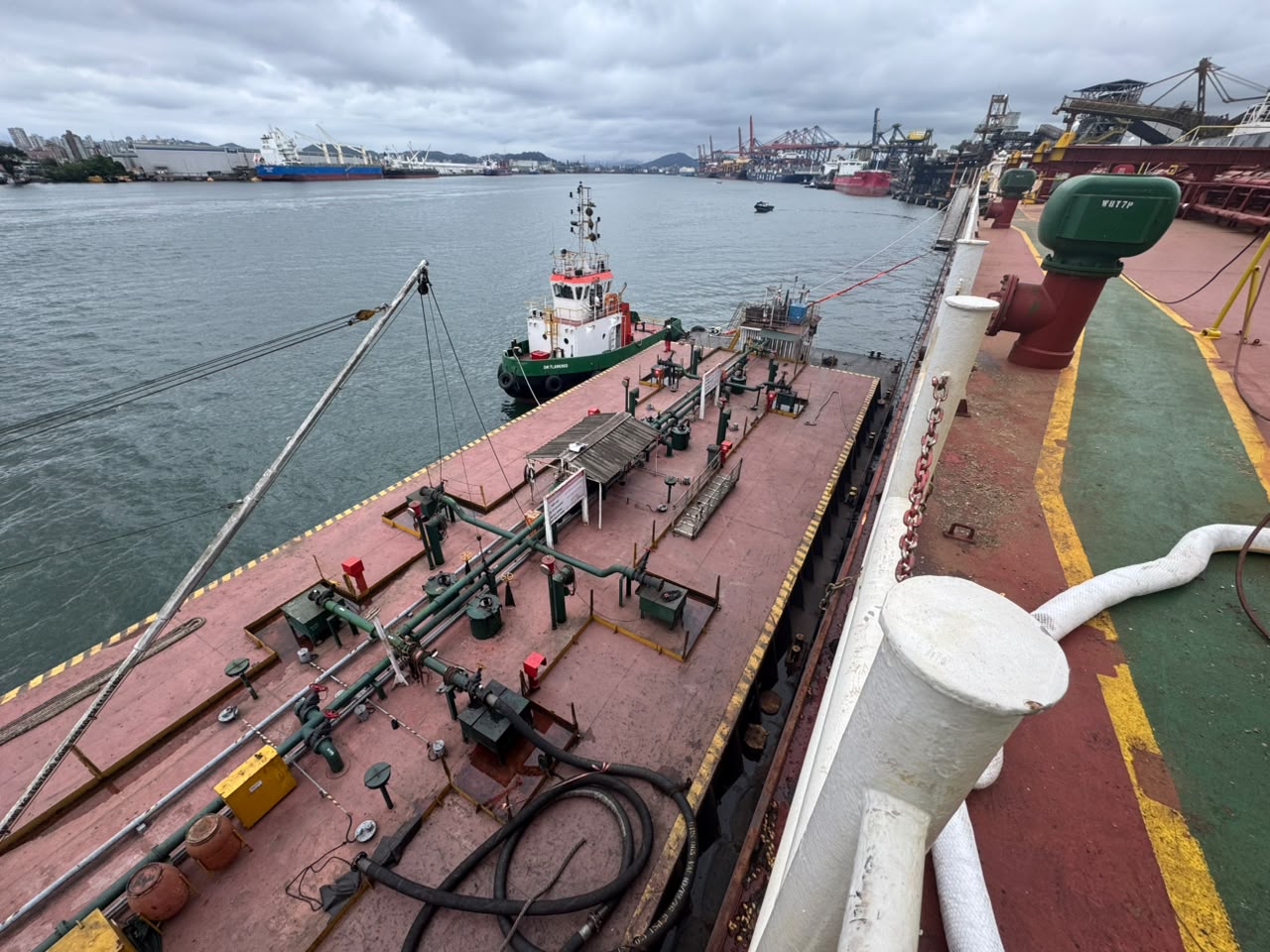
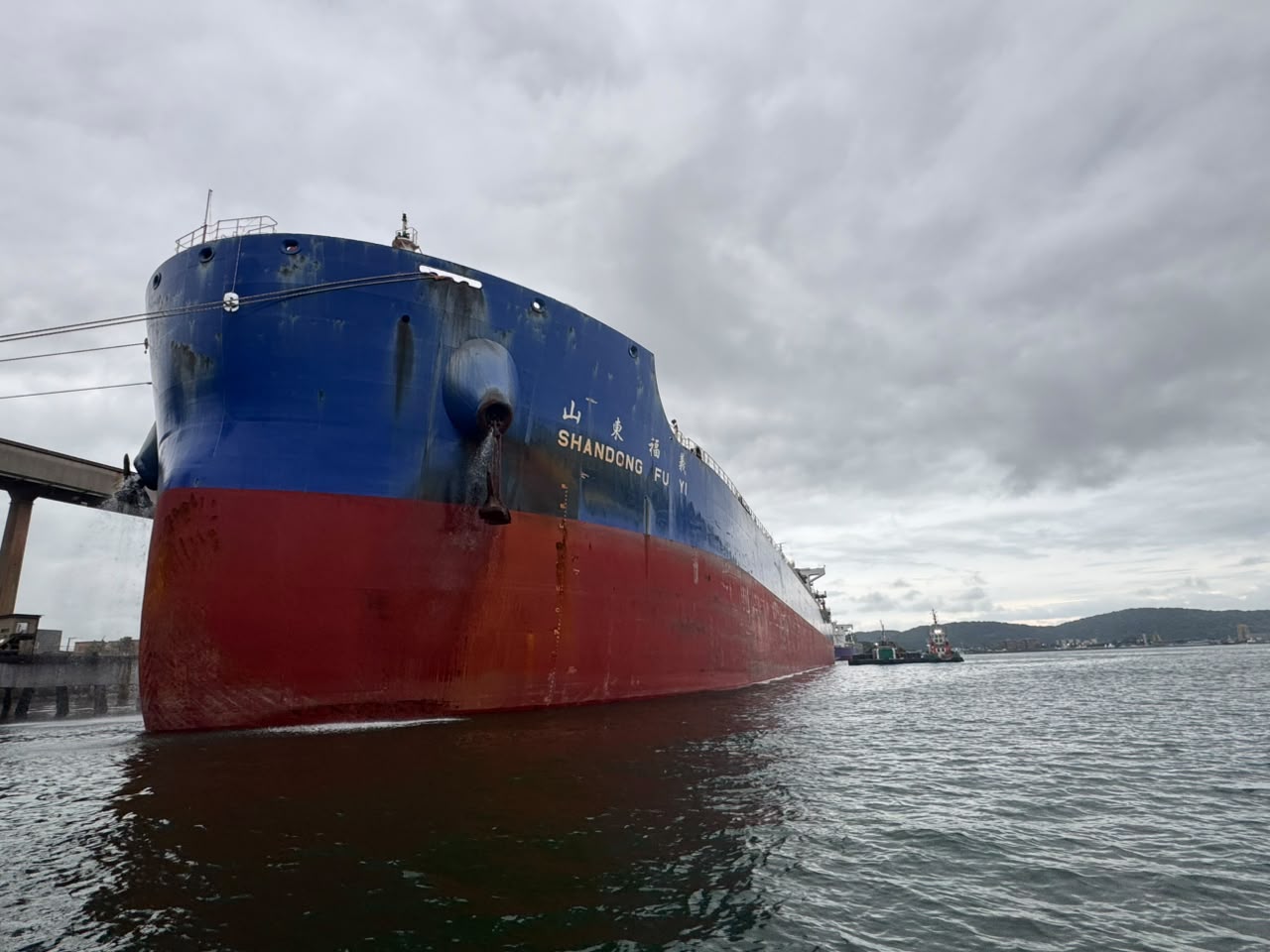
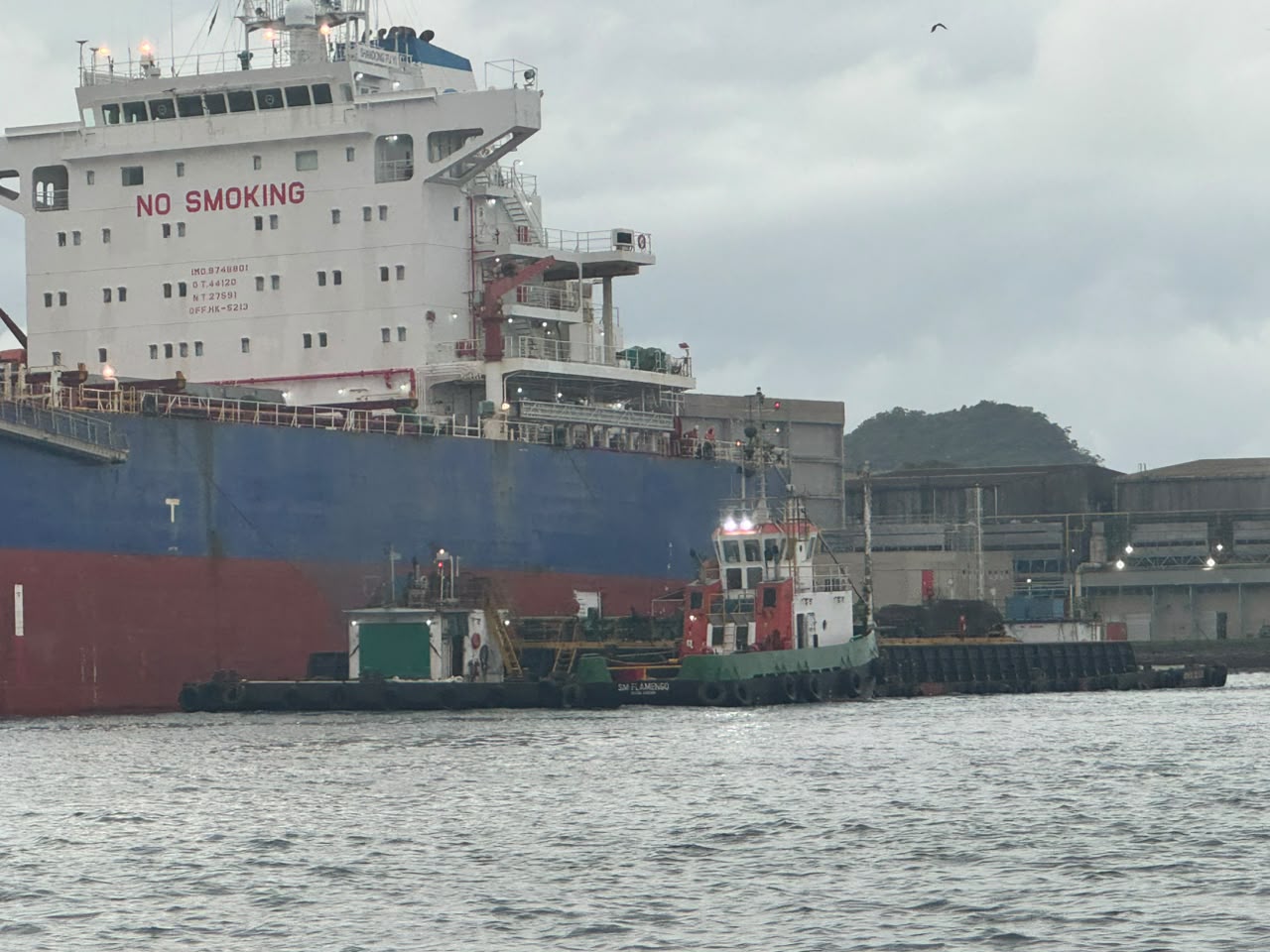
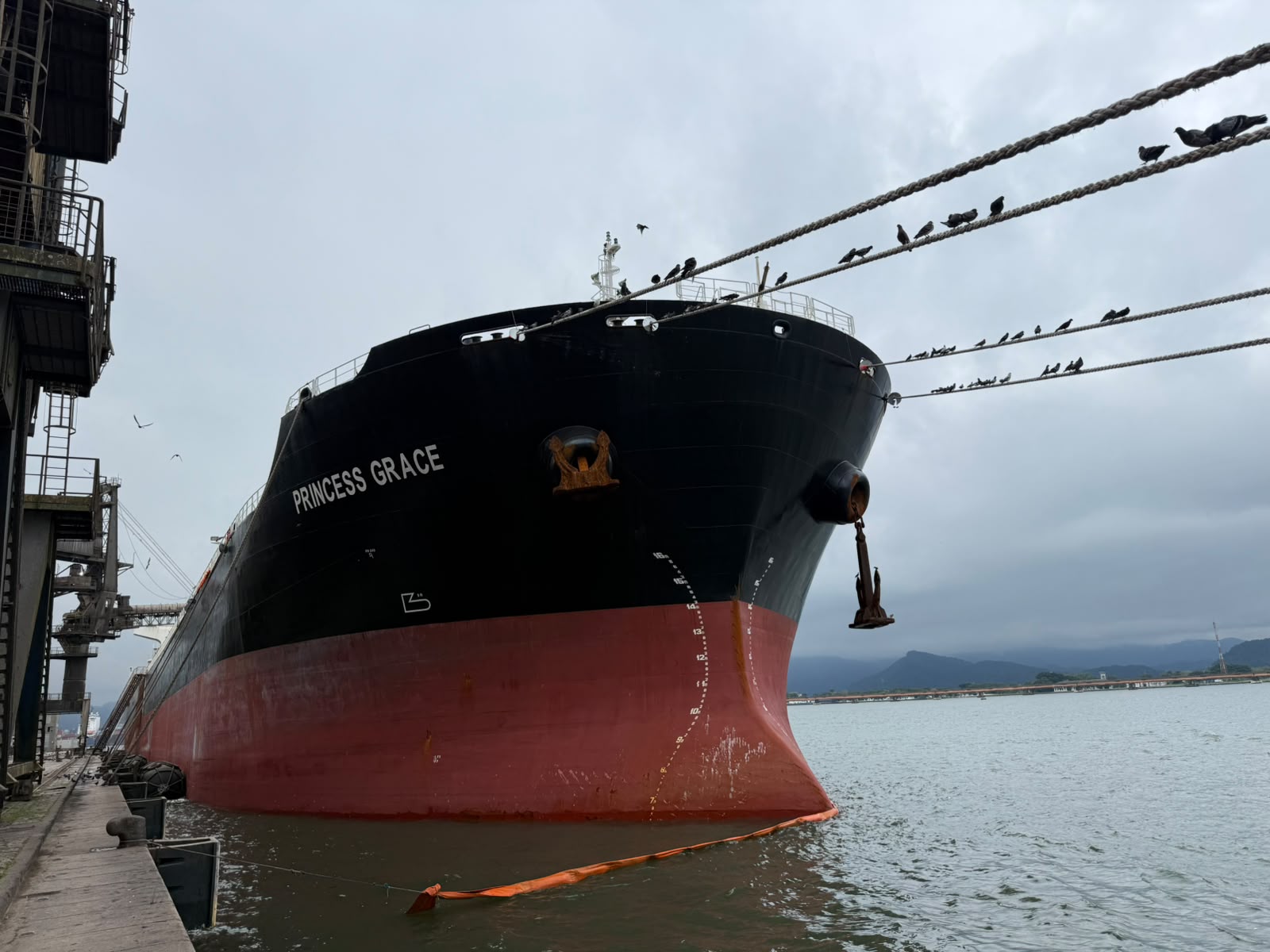
- BROB and BQS attendances in Santos, Paranaguá, Rio Grande and Aratu. Santos is the largest port in Latin America and the main bunkering point on the Brazilian coast; deliveries happen at berth, during cargo operations, so the survey has to be organised around the loading.
- On-hire bunker and condition surveys up river, where a charter is delivered with the first bunker stem and one attendance has to establish both the ROB at delivery and the quantity received.
- A steady rise in ballast water sampling requests at San Lorenzo, as terminals and charterers tighten compliance checks on arriving vessels.
What “one standard” means
Behind that volume there is a way of working we don’t compromise on. A bunker survey is not a number; it is a documented measurement that the owner, the charterer and the supplier can all check. Every UPRIVER Marine report, in every country, includes:
- Gauging conditions: trim and list at the moment of sounding, vessel status (working cargo, ballasting, at anchor), weather and sea state.
- Temperatures and densities: the values used for each tank, where they were taken, and the supplier’s certificate they were checked against.
- Photos: of every sounding, of the ullage or sounding tables actually used, and of the barge and vessel meters when fitted.
- A clear explanation of any difference between the barge figure, the vessel figure and the Bunker Delivery Note, with the reason behind it. That is what closes a quantity without a dispute.
Why consistency across countries matters
A charterer with vessels calling at Santos this week and Zona Común next week should be able to read both reports the same way. A survey we recently attended on board a CEMTEX vessel at Santos reads exactly like one at Zona Común: same structure, same criteria, same level of detail. When the figures differ from the BDN, the reader finds the explanation in the same place, written the same way.
That consistency is not a template. It is the result of the same procedure on board, the same workbook, the same photo set and the same review before a report leaves our office, port by port, surveyor by surveyor, in Argentina, Brazil, Uruguay, Paraguay and the United States.
What this means for owners and charterers
If your vessels bunker in the River Plate or on the Brazilian coast, a consistent, well-documented survey is the cheapest insurance against a quantity claim. Our Bunker Quantity Survey service covers Zona Común, Bahía Blanca, the up-river ports and the main Brazilian bunkering ports, with the same report wherever the barge comes alongside.
Which port in the region gives you the most headaches on bunker quantity disputes? Tell us, we probably have a surveyor there this week.